
The Harsval project includes also strengthening the mobility of scientists between Polish and Norwegian entities. The outcome will be the integration of the Polish and Norwegian scientific communities, increased cohesion through increased competence and skills, and the creation of new international scientific initiatives based on Polish-Norwegian consortia to solve complex research challenges.
More information about the mobility programme you can found in WP2.
We received a report about the internship to the Svalbard Integrated Arctic Earth Observing System (SIOS) from PhD, Assoc. Prof. Małgorzata Błaszczyk (Institute of Earth Sciences, University of Silesia in Katowice). We invite you to enjoy:
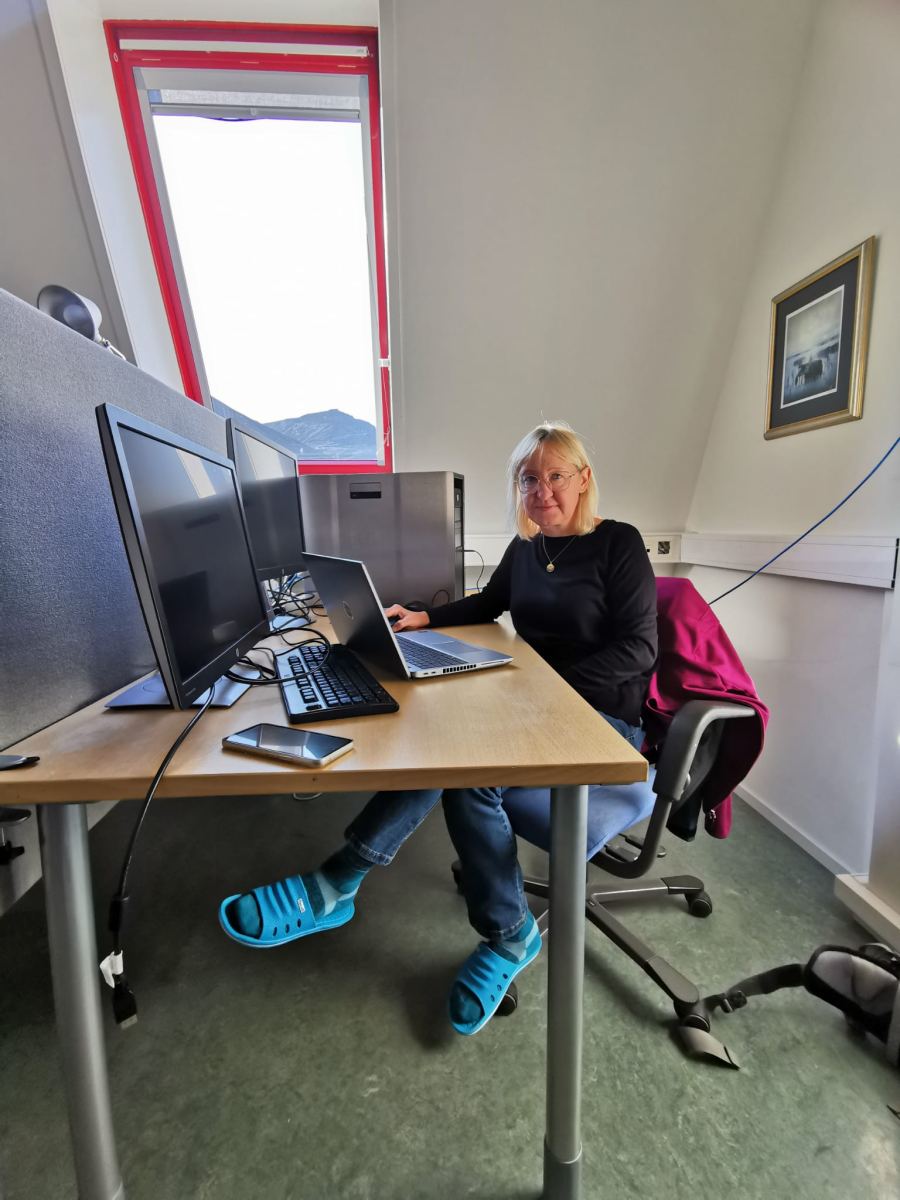
“From August 19th to September 4th, 2024, I participated in a scientific internship at the Svalbard Integrated Arctic Earth Observing System (SIOS) in Longyearbyen. During my stay, I contributed to the preparation of a proposal for the SIOS Optimisation Call 2024, one of the SIOS competitions aimed at developing the observing system and research infrastructure in the field of Earth System Science in Svalbard. The partners in the joint project, in addition to the University of Silesia in Katowice, included NORCE Norwegian Research Centre, the Norwegian Polar Institute, the Geological Survey of Norway, and the Institute of Geophysics, Polish Academy of Sciences.
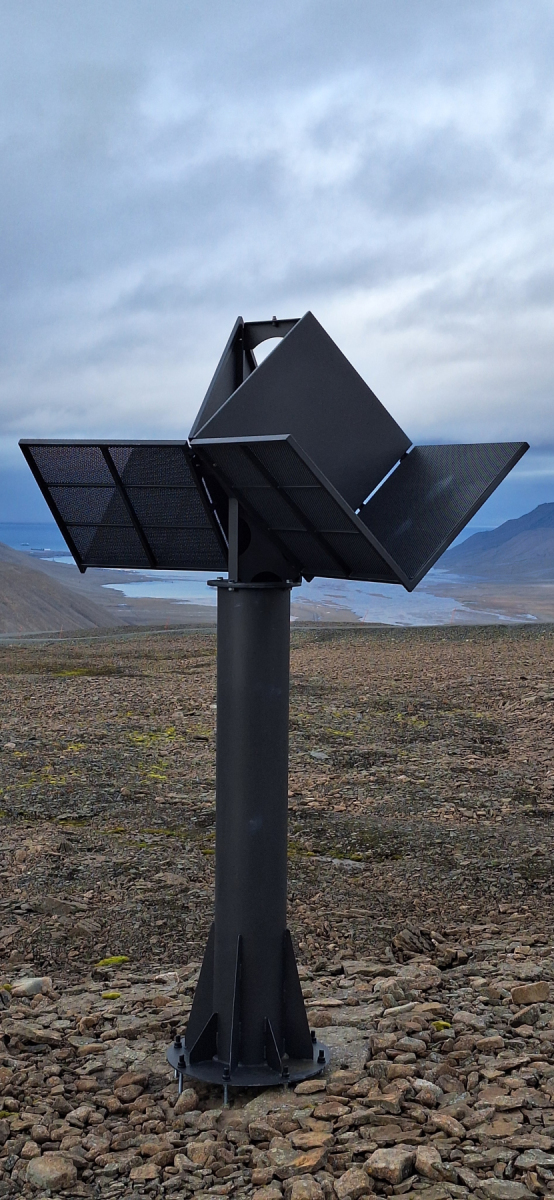
During my visit, I also met with the officer of the Remote Sensing Working Group to discuss strategies for acquiring satellite imagery from Planet and the concept of building a database. I also had the opportunity to check the stability of a corner reflector installed near the town as part of the Polish-Norwegian CRIOS project.”