
The Harsval project includes also strengthening the mobility of scientists between Polish and Norwegian entities. The outcome will be the integration of the Polish and Norwegian scientific communities, increased cohesion through increased competence and skills, and the creation of new international scientific initiatives based on Polish-Norwegian consortia to solve complex research challenges.
More information about the mobility programme you can found in WP2.
We received a report about the internship at the Norwegian University of Life Sciences (NMBU) from Dr. Adam Nawrot (Institute of Geophysics of the Polish Academy of Sciences).
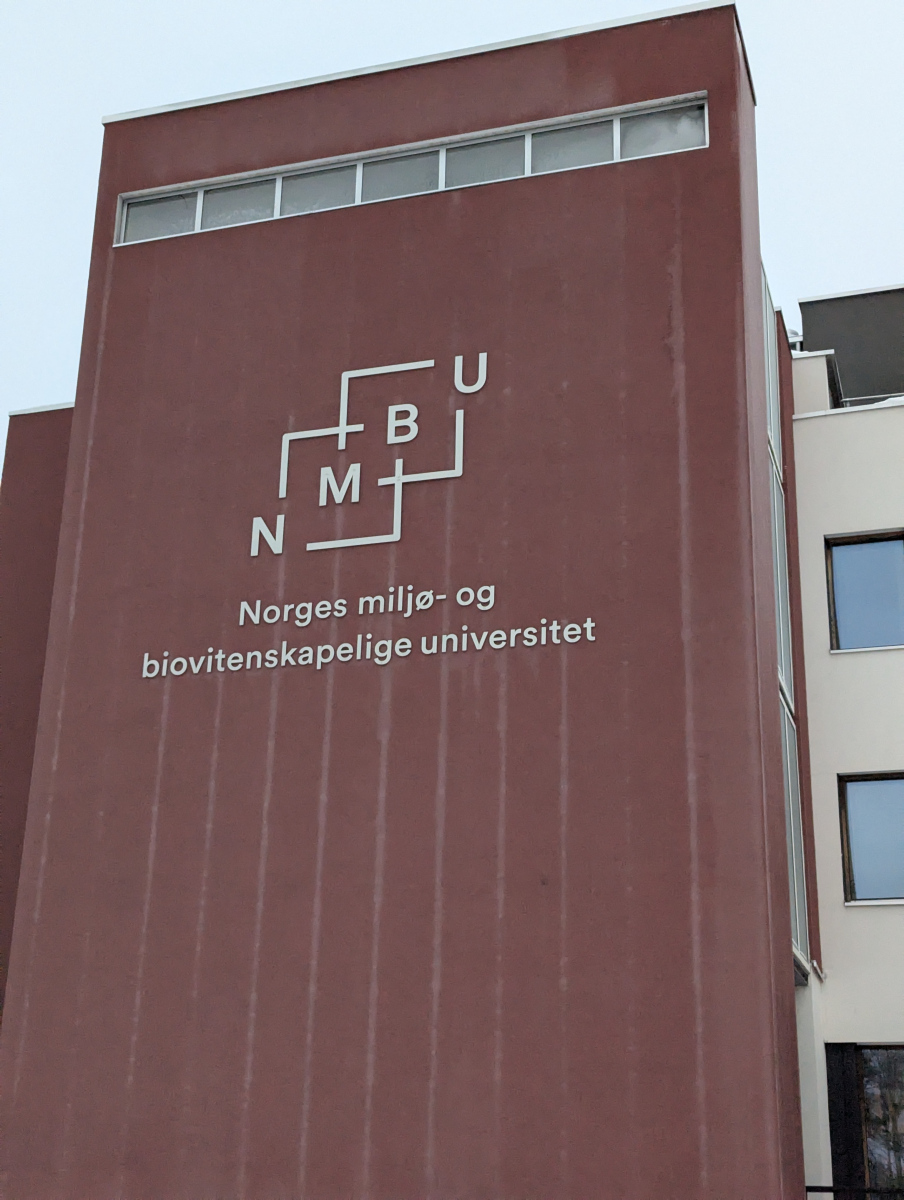
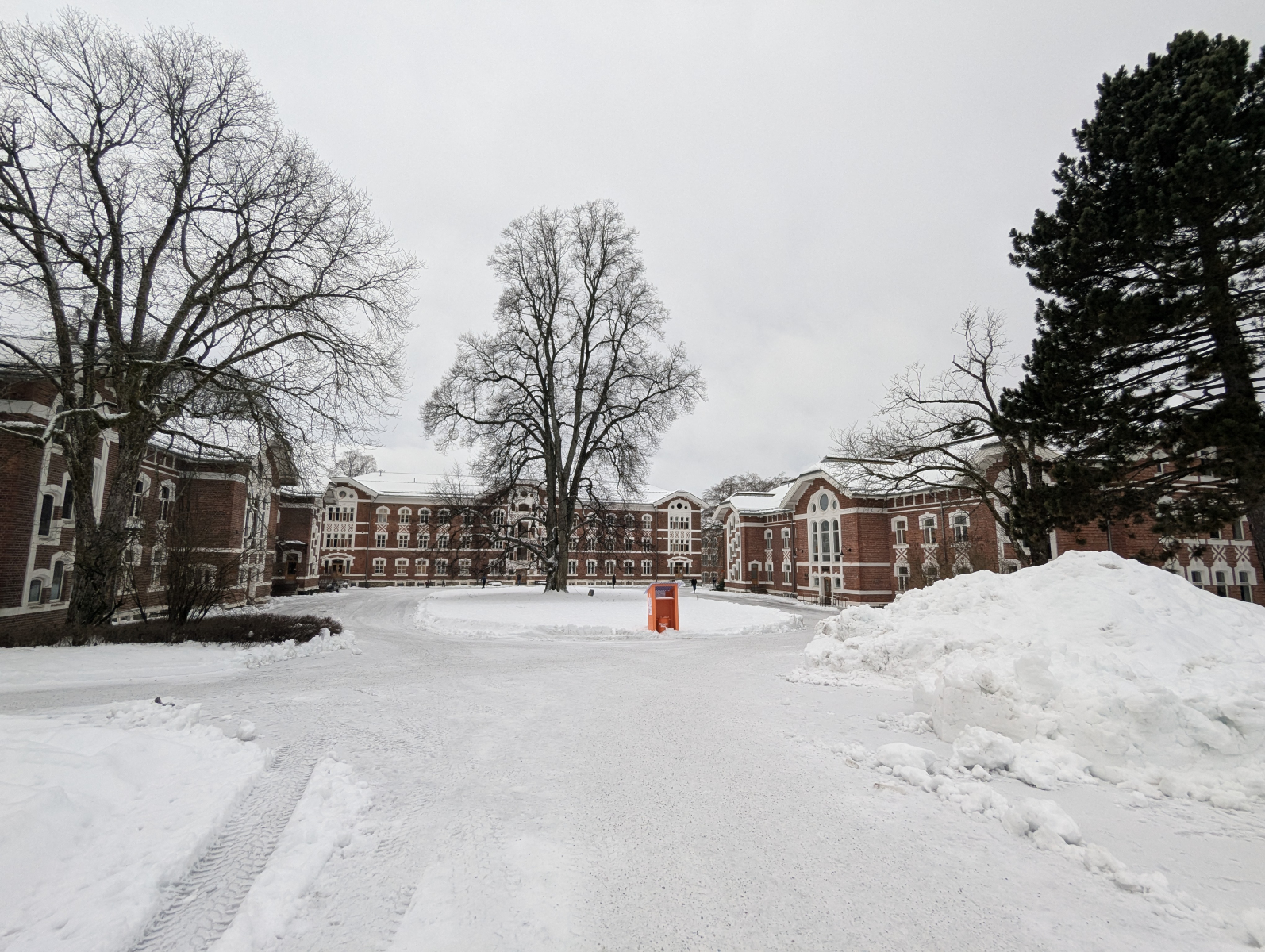
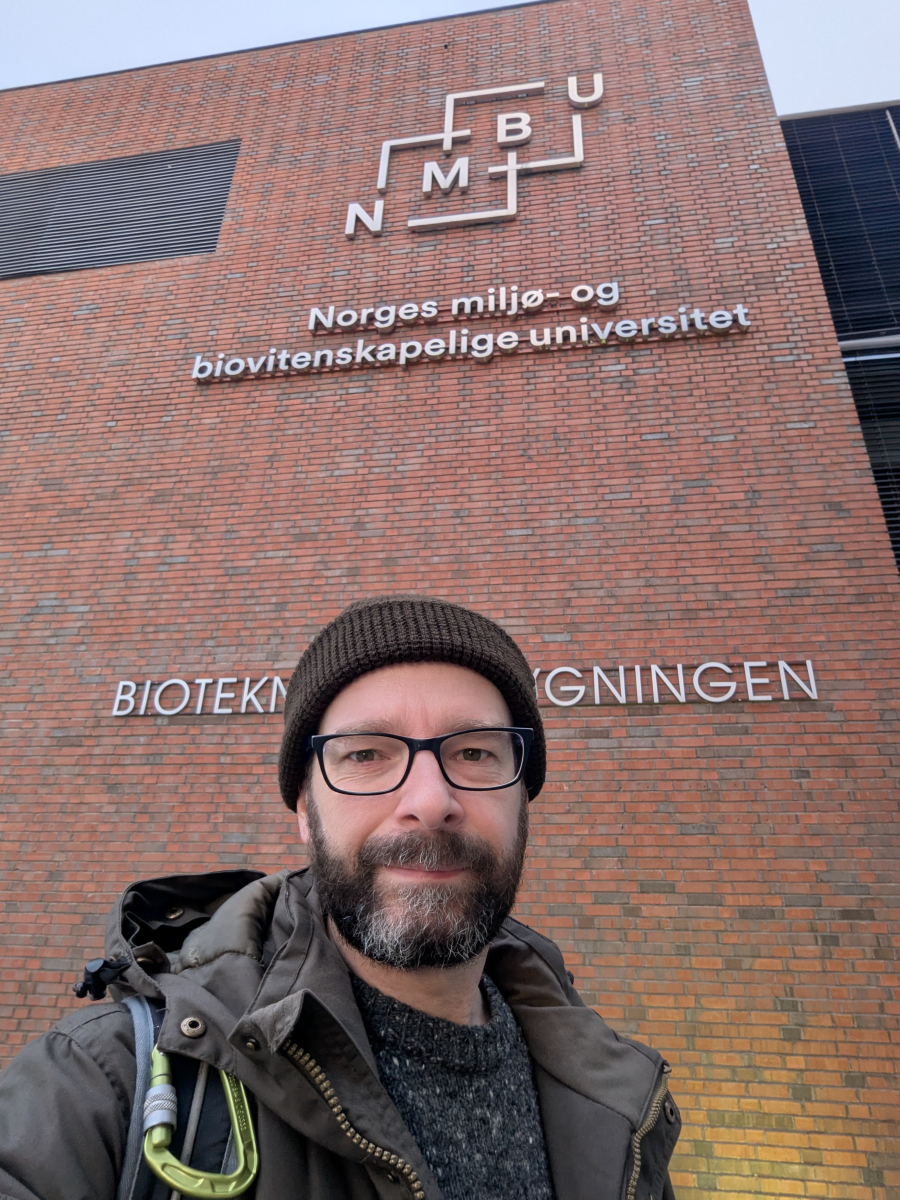
“In the first half of January 2025, Dr. Adam Nawrota participated in a research internship with Prof. Roland Kallenborn’s research group at the Norwegian University of Life Sciences (NMBU) in Ås, near Oslo. The purpose of the internship was to establish closer scientific cooperation in the field of monitoring organic pollutants in the Arctic environment. During the stay, issues related to chemical data analysis, the Arctic Monitoring & Assessment Program (AMAP) were discussed, and joint measurements were planned in the central and southern parts of Spitsbergen Island. New organic compounds created by industry and used on a large scale are making their way with air masses into Arctic regions, including Svalbard, where they pose a threat to local flora and fauna. Unfortunately, the harmfulness of the new compounds is not known, so monitoring their occurrence and concentration is important to improve knowledge of their impact on the biotic and abiotic environment of the Arctic and humans. One of the anticipated outcomes of the internship was to make properly prepared data from the environmental monitoring conducted by the Hornsund Polish Polar Station in Spitsbergen available in the dedicated AMAP (Arctic Monitoring & Assessment Program) database.”