
Maria Stachowiak is one of the beneficiaries of the competition for funding student and PhD candidates mobility within the HarSval project. She received 4643.24 PLN funding for the research trip: Fieldwork in Sogndal, Norway.
Enjoy reading her report below:
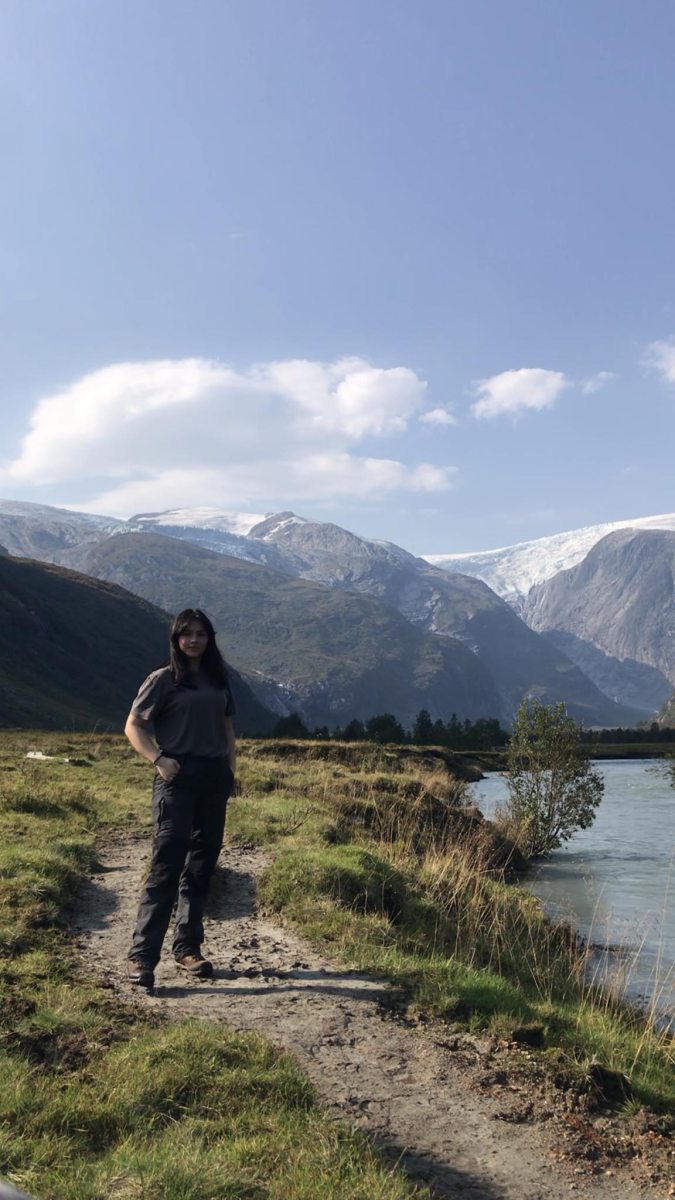
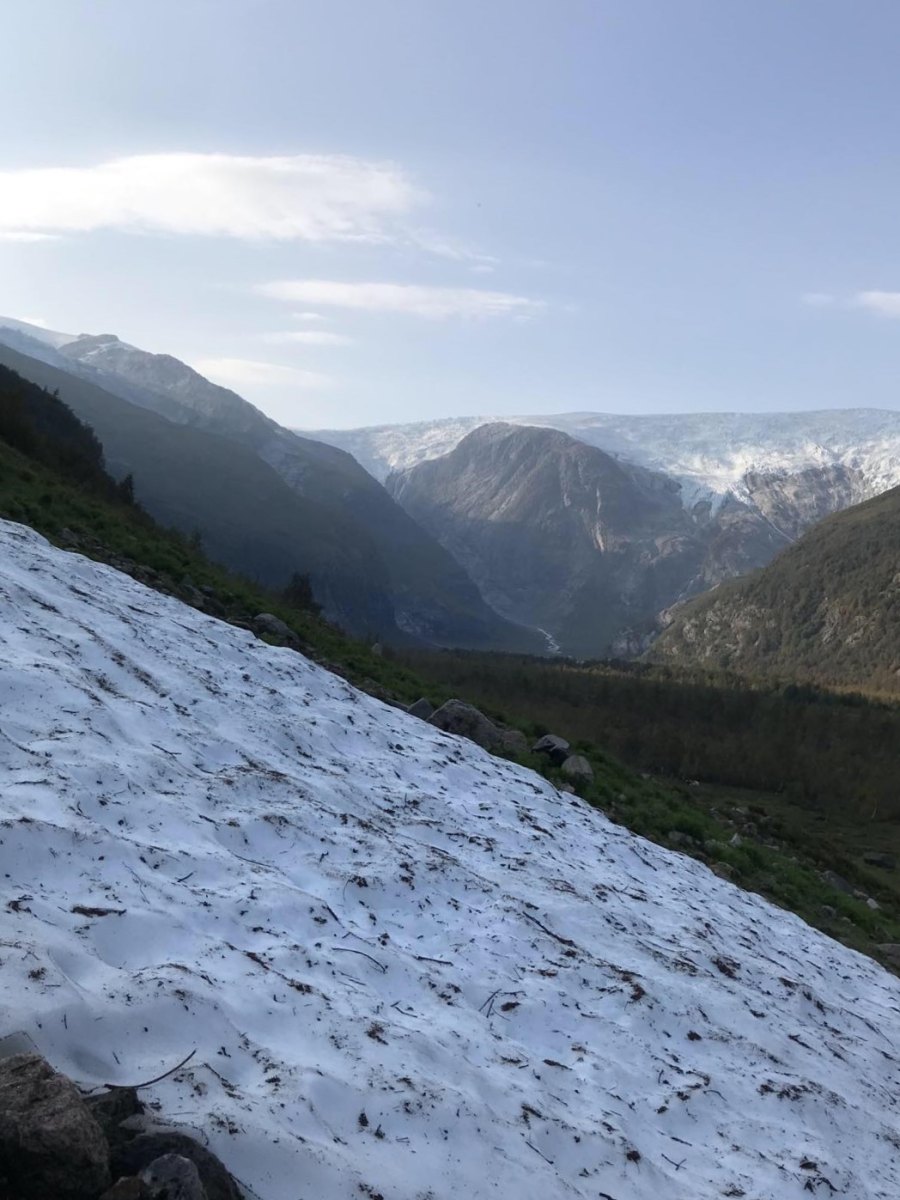
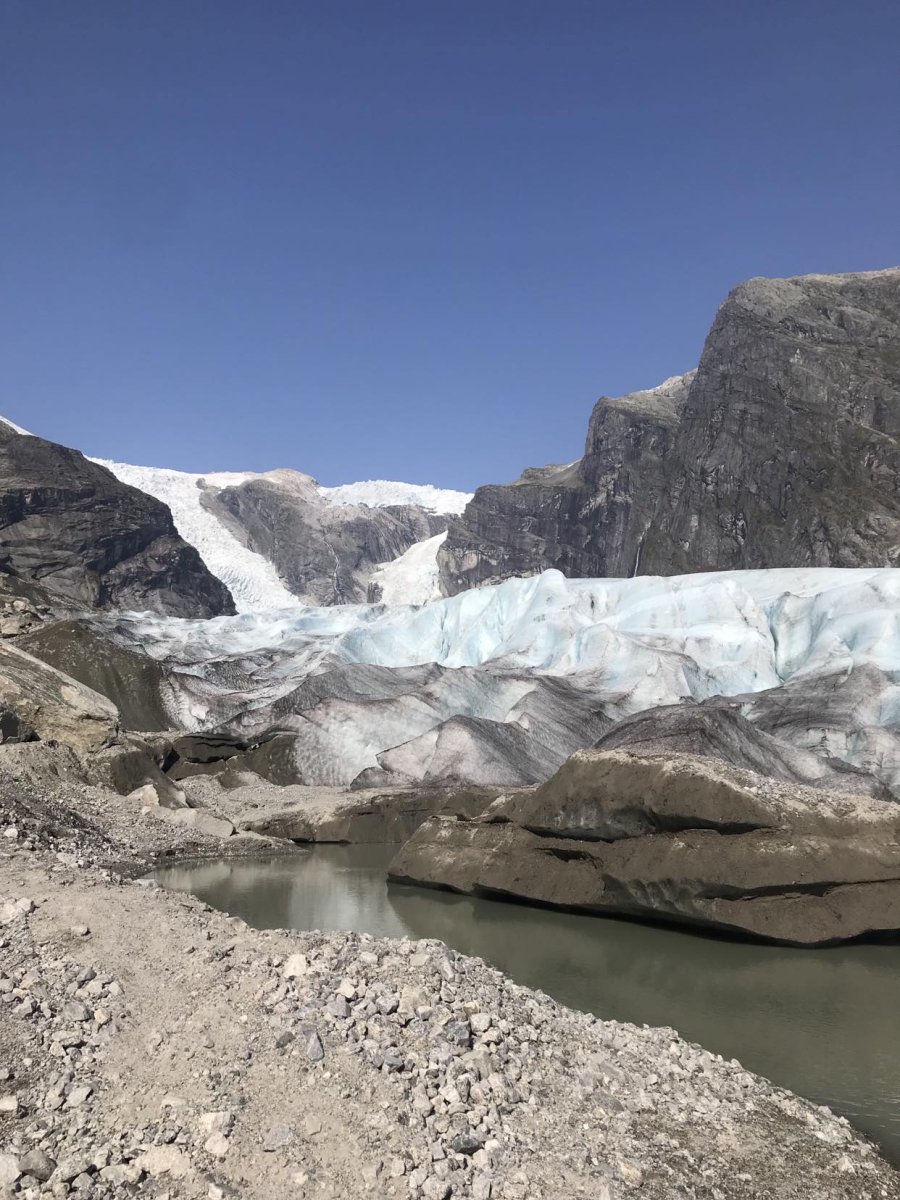
“In early September 2024, I had the privilege of visiting Jostedalsbreen National Park in Norway as part of a research expedition supported by the HarSval project. From September 2 to 8, I worked in the area surrounding the Austerdalsbreen glacier near Veitastrond.
The fieldwork was designed to explore the role of cryoconite and mosses in shaping proglacial soil ecosystems, with specific aims including:
1. Collecting samples from the glacier’s surface, its terminus at the ice-soil interface, and along a gradient extending into the valley.
2. Estimating organic matter deposition from cryoconite and mosses in the proglacial zone.
3. Identifying the diversity of organisms (algae, bacteria, and microfauna) originating from the glacier using environmental sequencing techniques and microscopic observations.
4. Evaluating the role of cryoconite in soil formation processes.
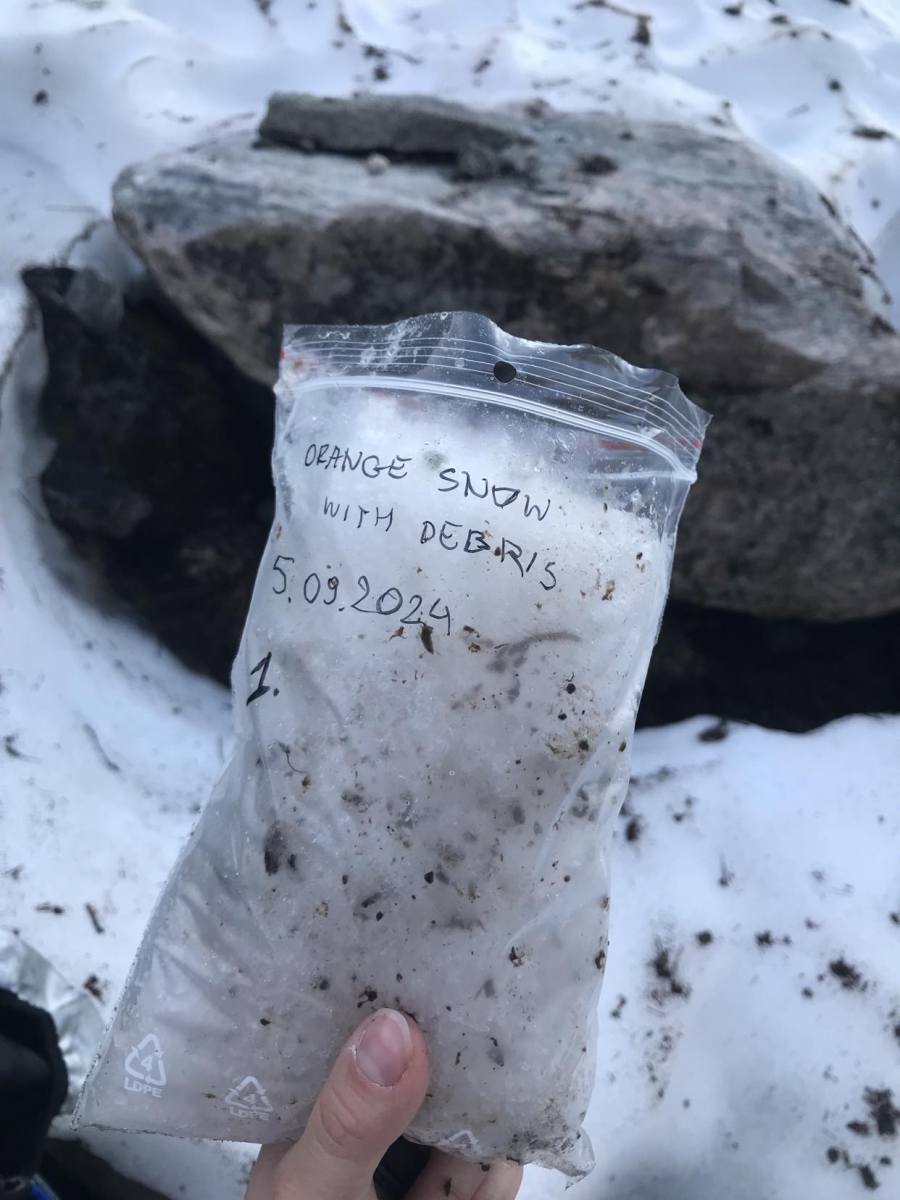
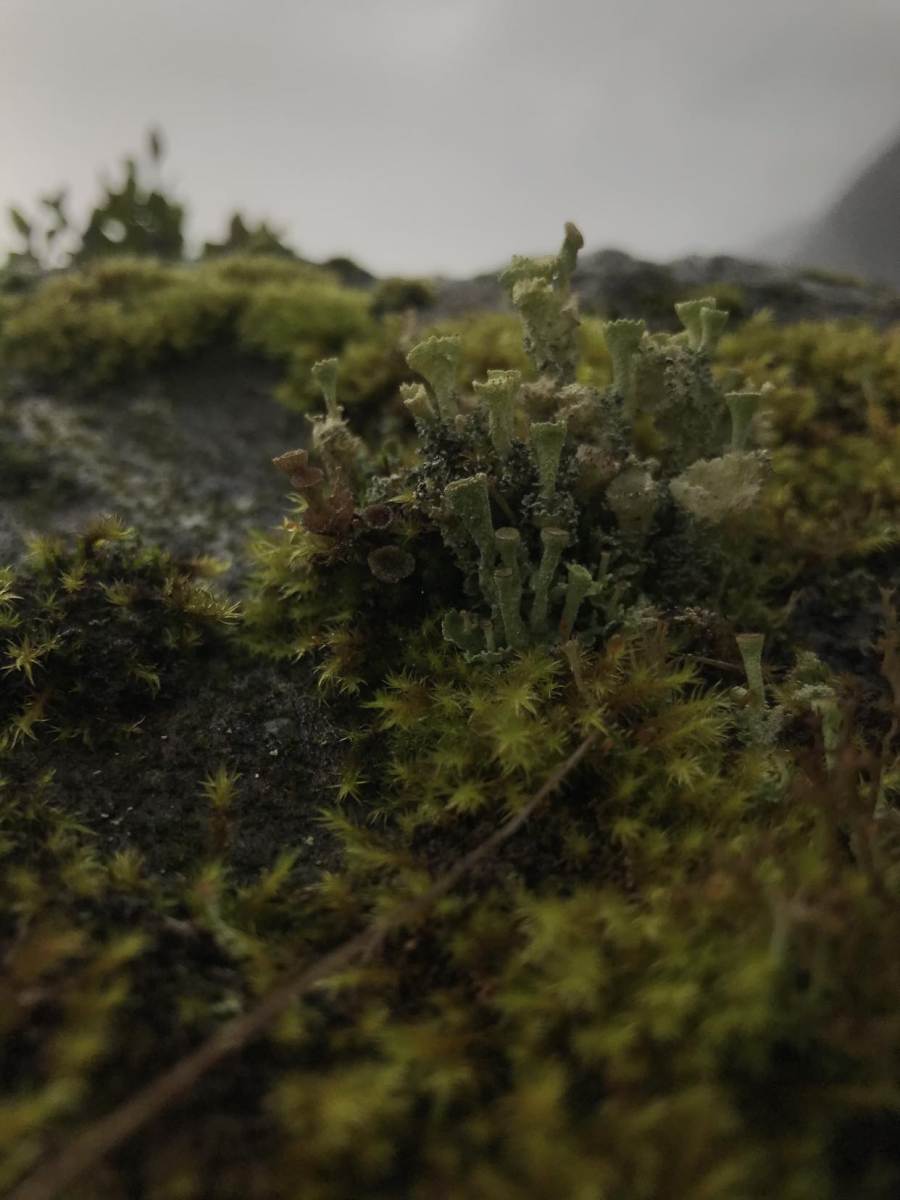
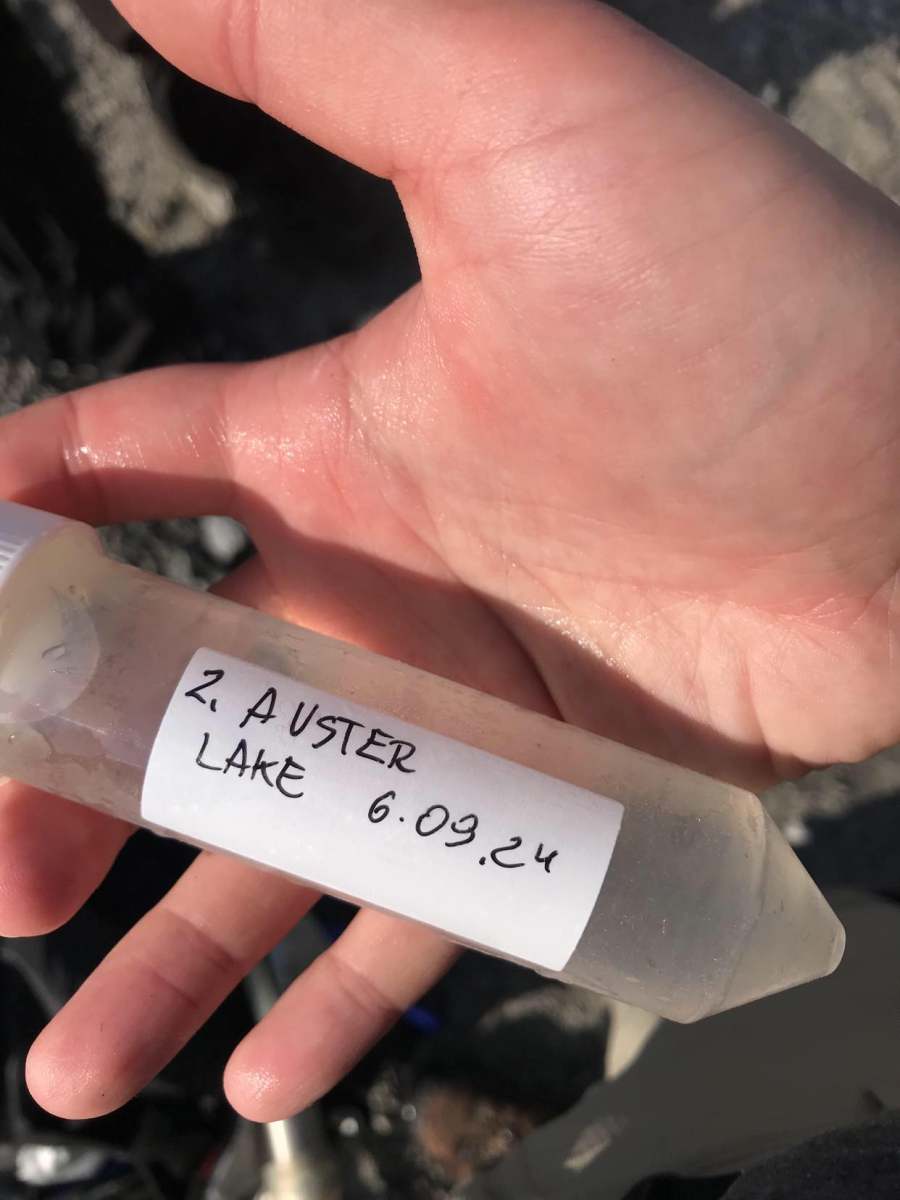
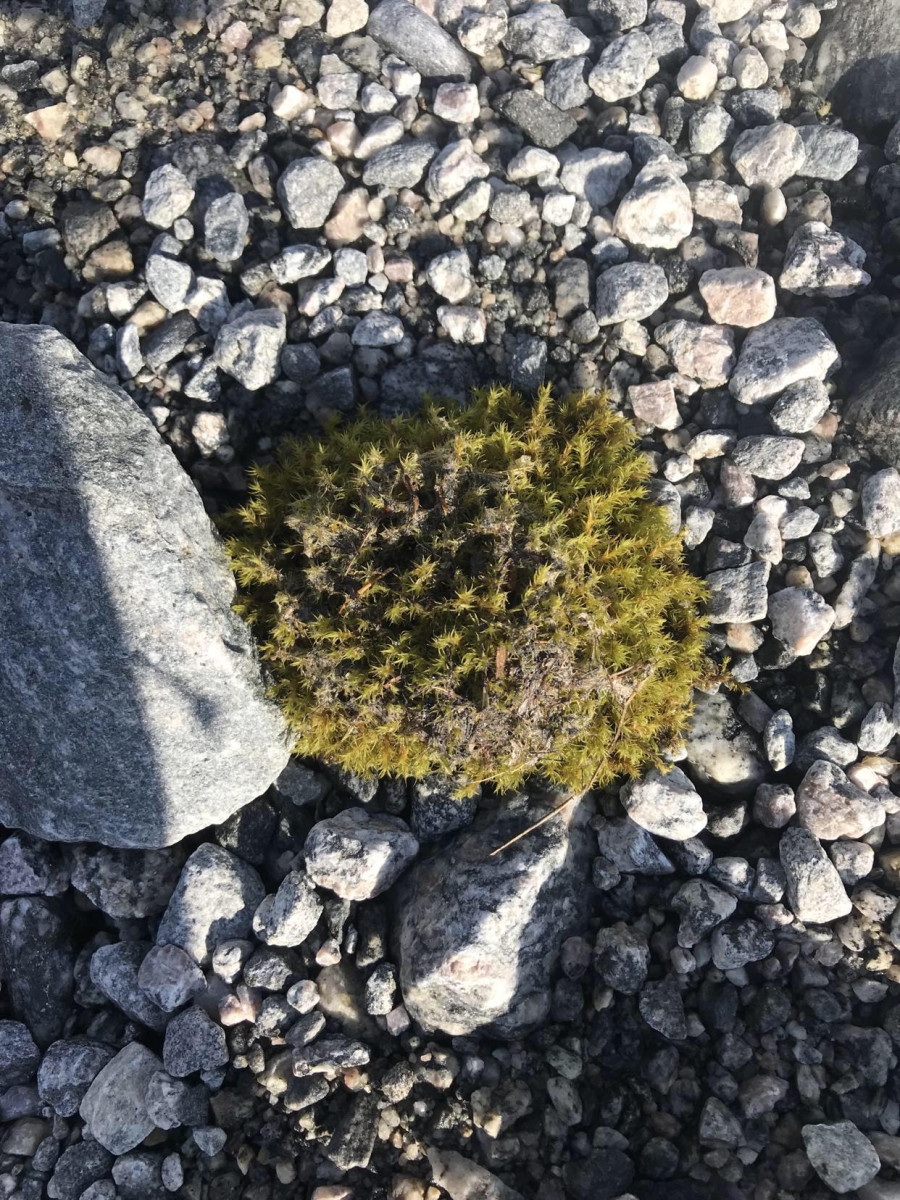
Unfortunately, due to adverse weather conditions, planned sample collection from the Nigardsbreen glacier could not be completed, as attempting access would have posed significant safety risks. Similarly, entering Austerdalsbreen glacier was deemed unsafe due to challenging terrain conditions. However, thanks to the kindness of Kristine Flacké Haualand, I received samples of cryoconite and soil, collected simultaneously from the Storbreen glacier, ensuring the continuity of my research. Furthermore, I collected supplementary samples from a snow patch in Langedalen Valley, which will contribute to studies on the biodiversity of snow fauna conducted by the Department of Taxonomy and Ecology at the Faculty of Biology, Adam Mickiewicz University in Poznań. Water samples from a lake near Austerdalsbreen were also collected for zooplankton analysis, broadening the scope of ecological investigations. I also collected bryophytes from around the lake.
The success of this expedition would not have been possible without the invaluable support of Professor Jacob Yde. He played a crucial role in organizing the logistics of the trip, ensuring smooth transportation and facilitating access to research sites. Additionally, I had the unique opportunity to visit the Sogndal campus of Western Norway University of Applied Sciences (Høgskulen på Vestlandet) with Professor Yde, where I gained insights into the institution’s research infrastructure and ongoing studies related to glacial and environmental sciences.
Thanks to the HarSval funding, I had the incredible opportunity to work in the awe-inspiring natural surroundings of Jostedalsbreen National Park, home to the largest land glacier in continental Europe. For me, as a biologist with a particular interest in the cryosphere, it was an immense pleasure and privilege to spend time in such a remarkable environment.
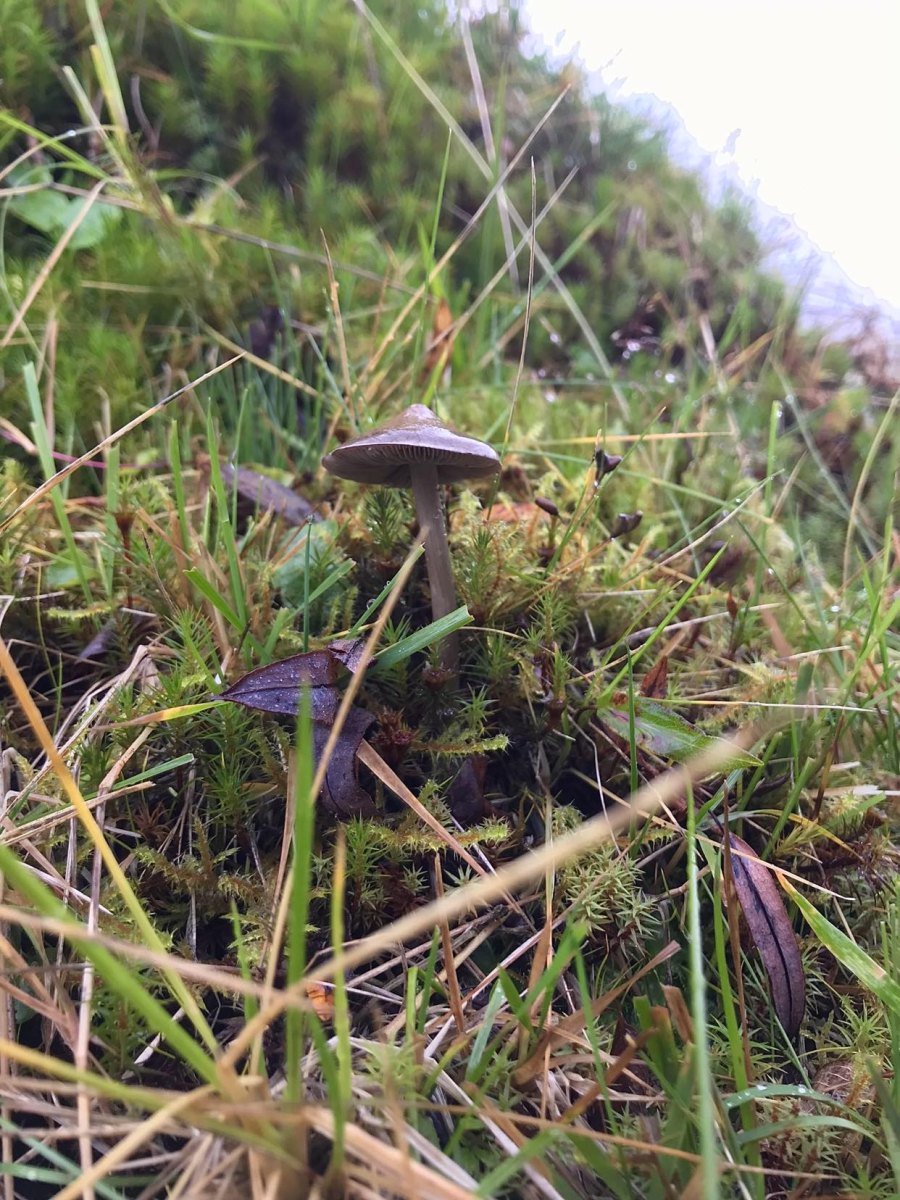
This trip also allowed me to explore and familiarize myself with the flora of the region, adding a valuable botanical perspective. The combination of fieldwork and exposure to breathtaking landscapes, made this experience both scientifically and personally enriching.”