
The Harsval project includes also strengthening the mobility of scientists between Polish and Norwegian entities. The outcome will be the integration of the Polish and Norwegian scientific communities, increased cohesion through increased competence and skills, and the creation of new international scientific initiatives based on Polish-Norwegian consortia to solve complex research challenges.
More information about the mobility programme you can found in WP2.
We received a report about the internship at the University Centre in Svalbard from Dr. Marta Kondracka (Institute of Earth Sciences, University of Silesia in Katowice).
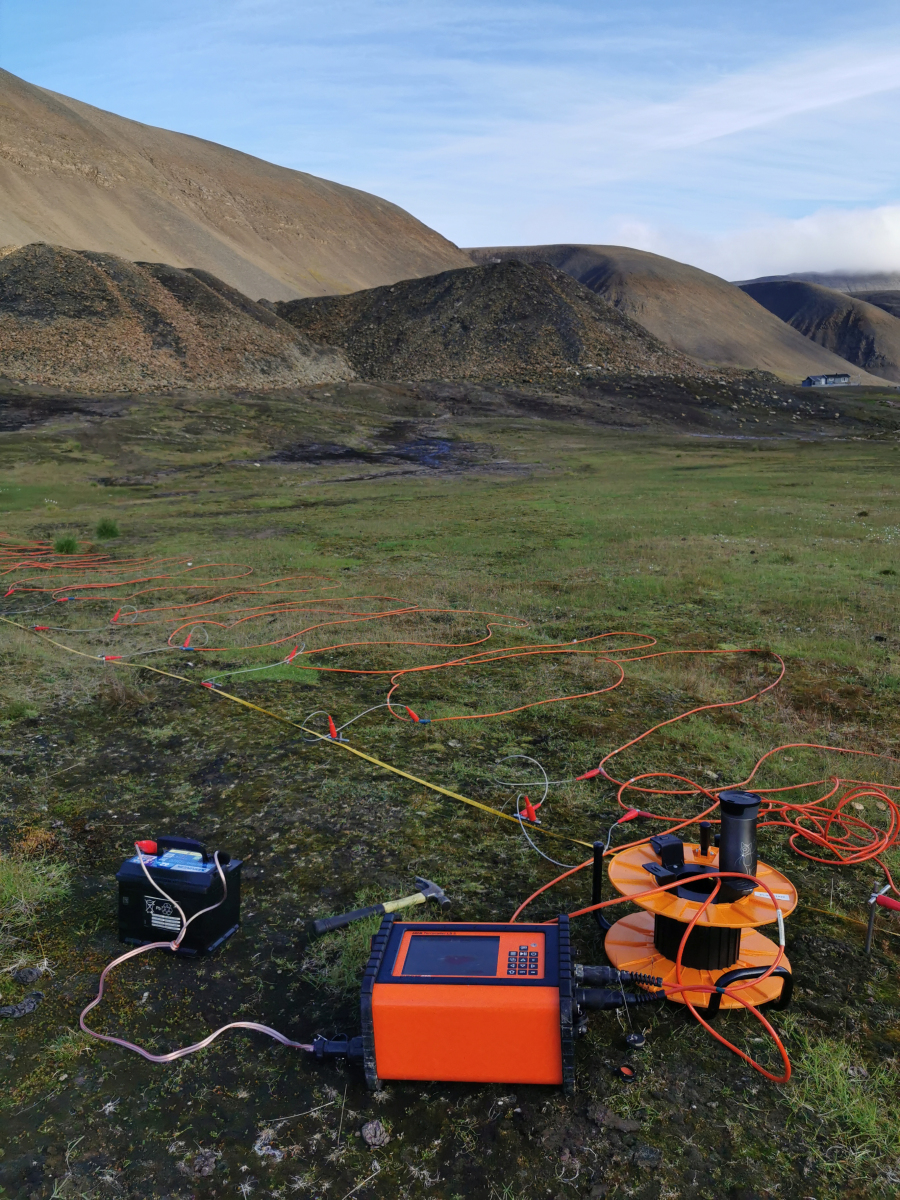
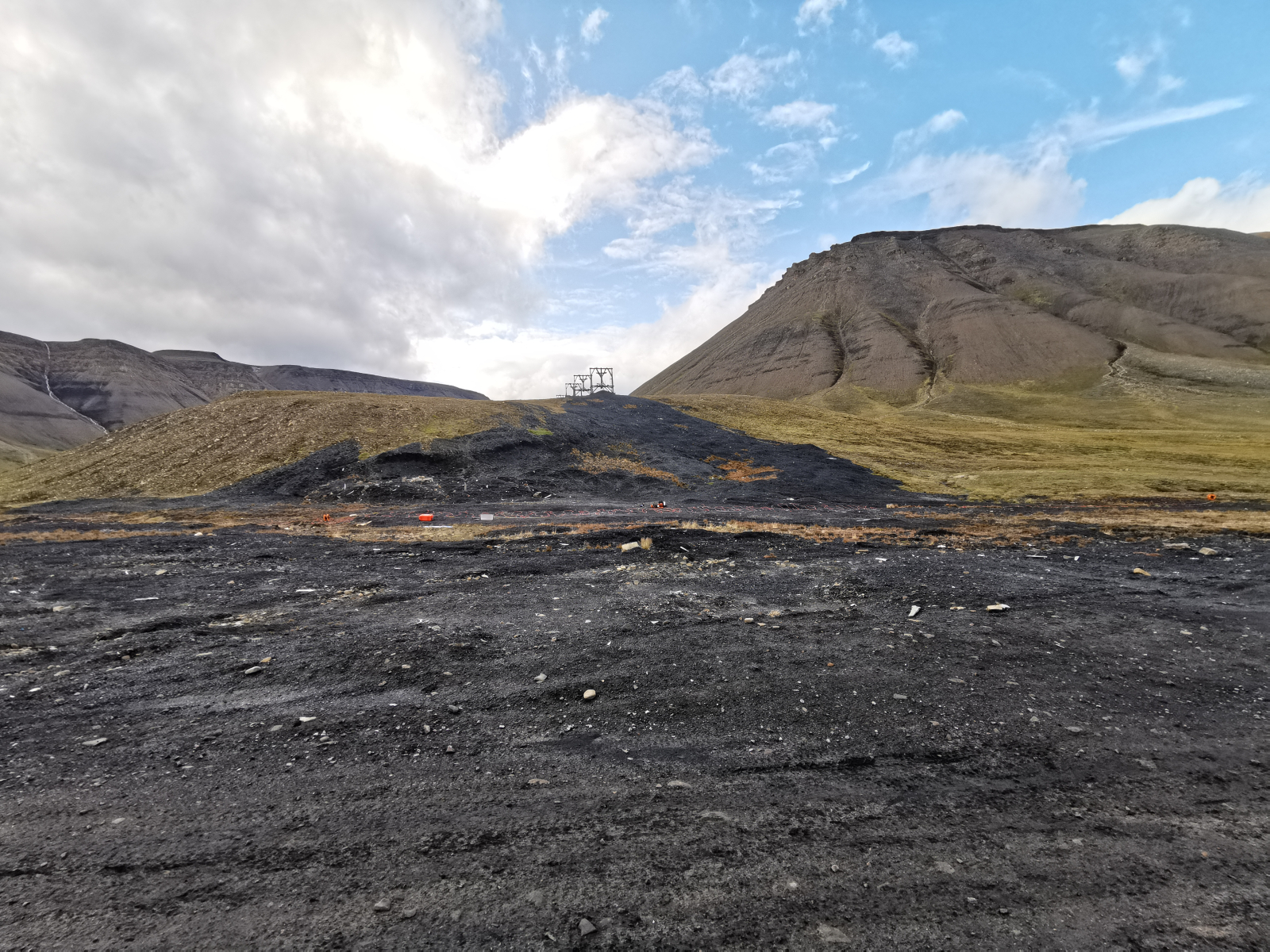
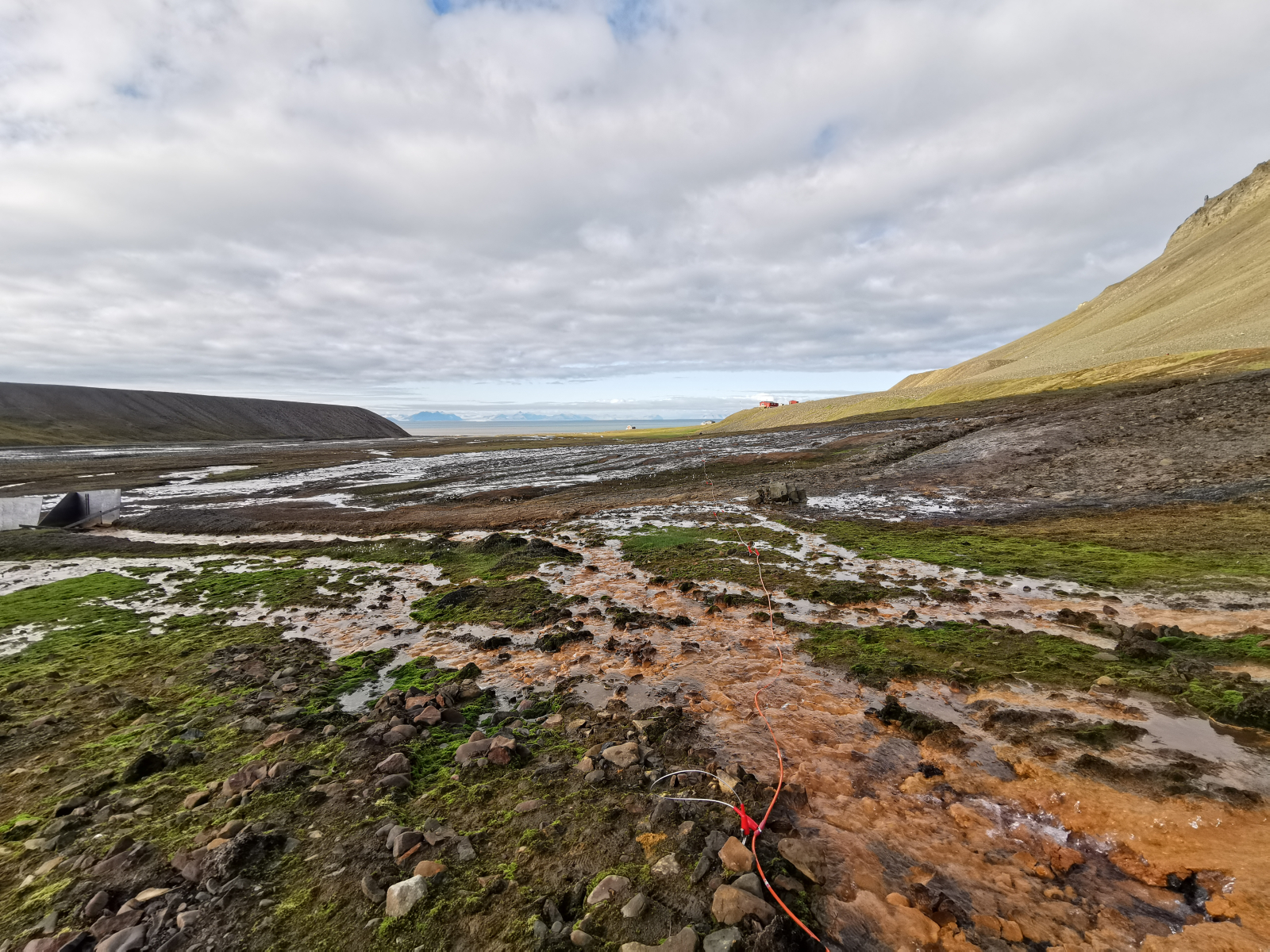
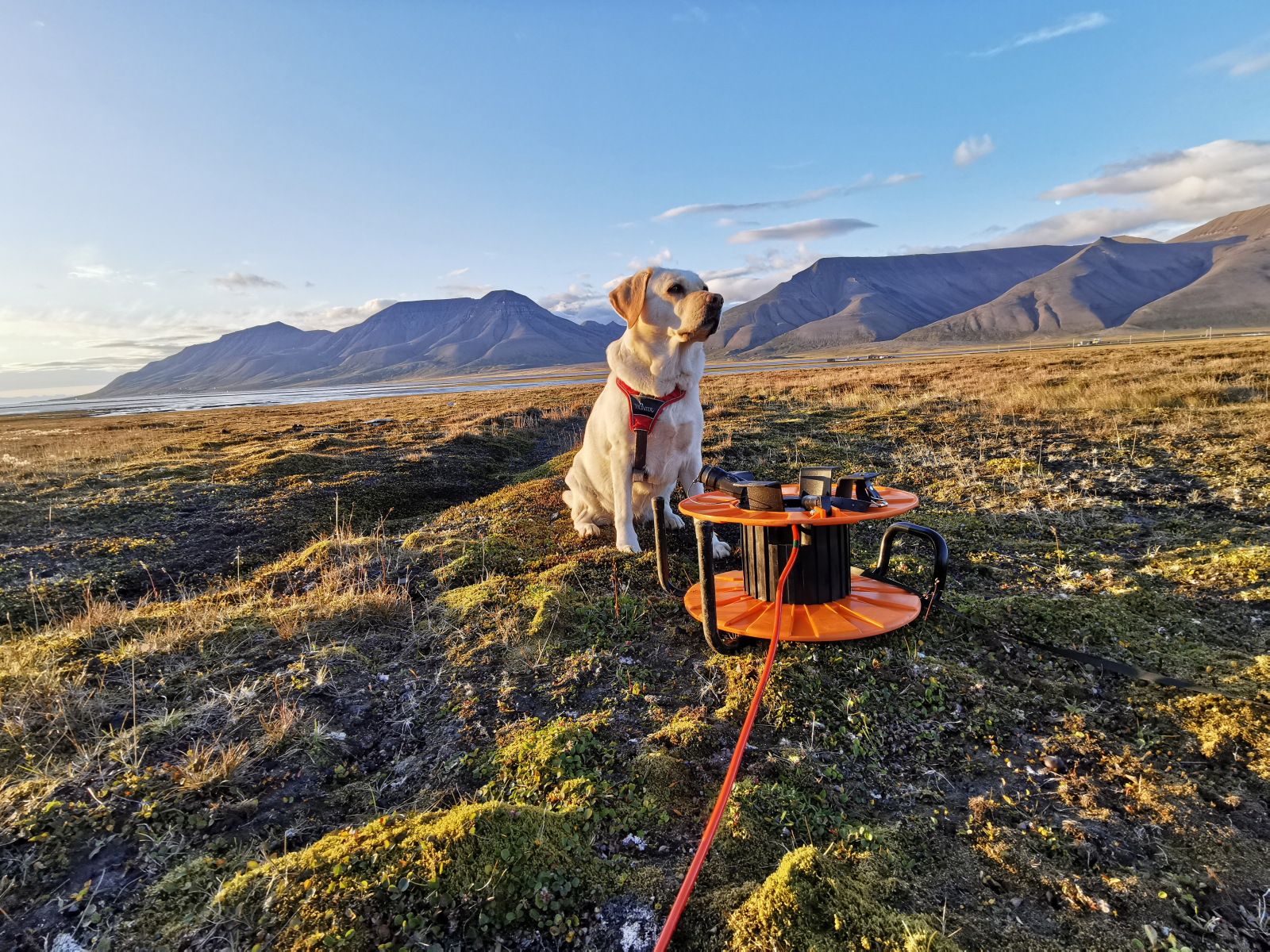
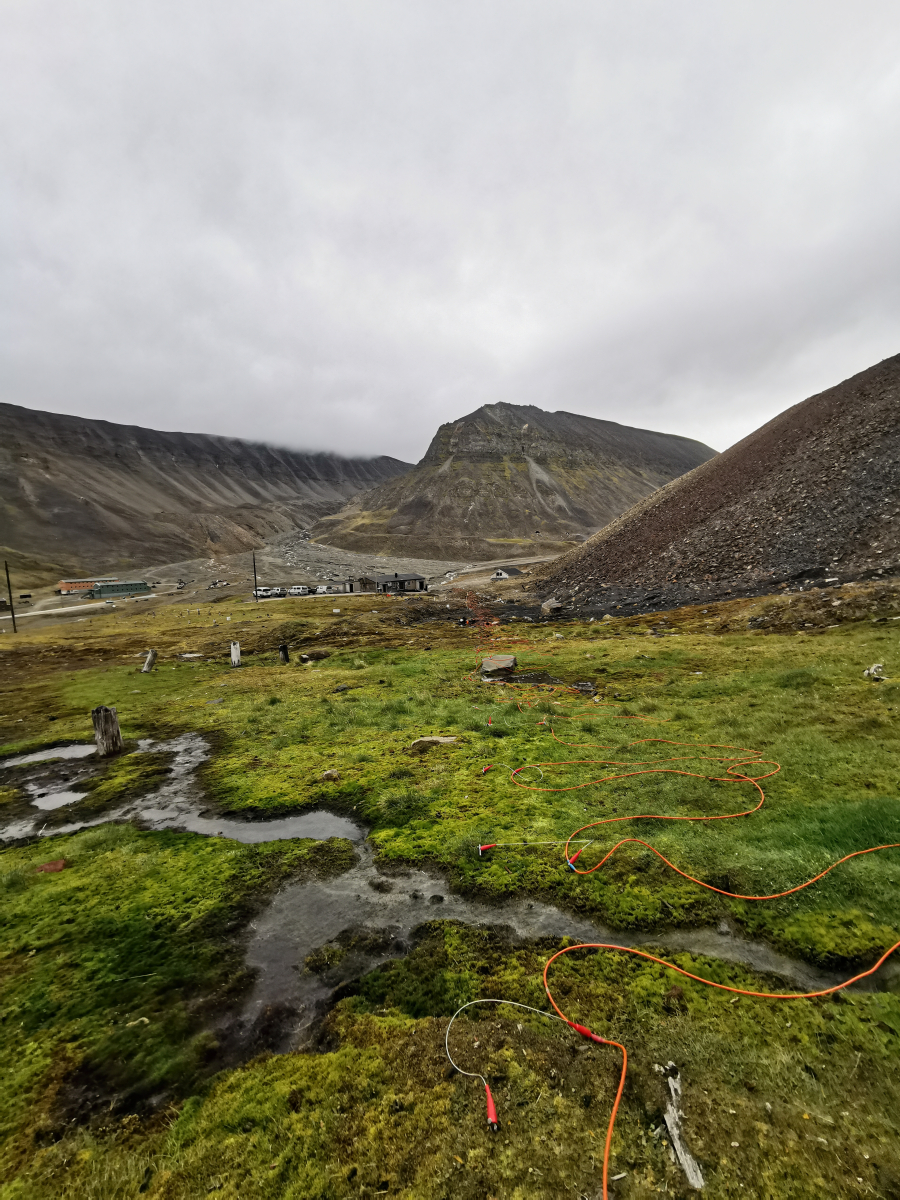
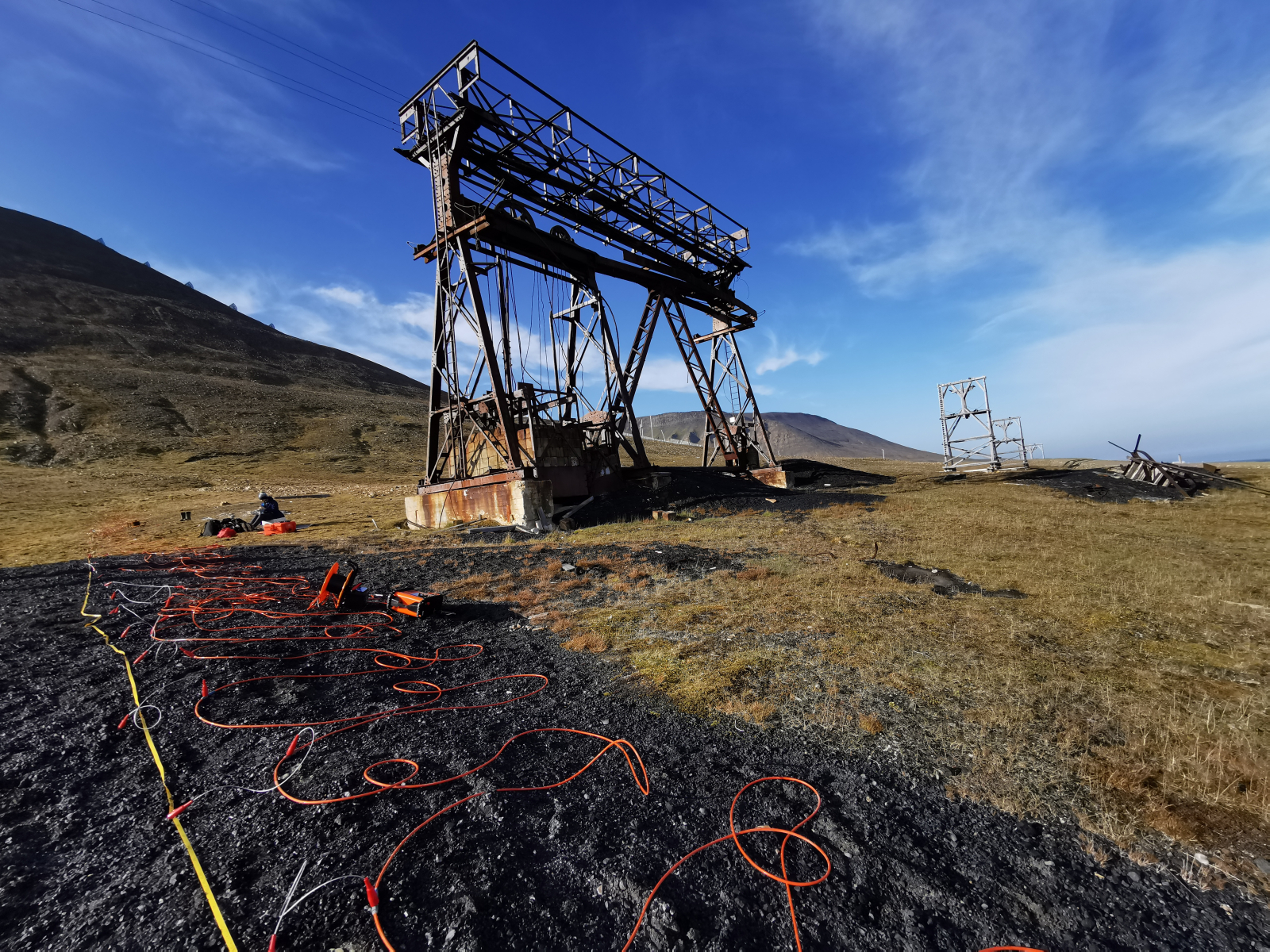
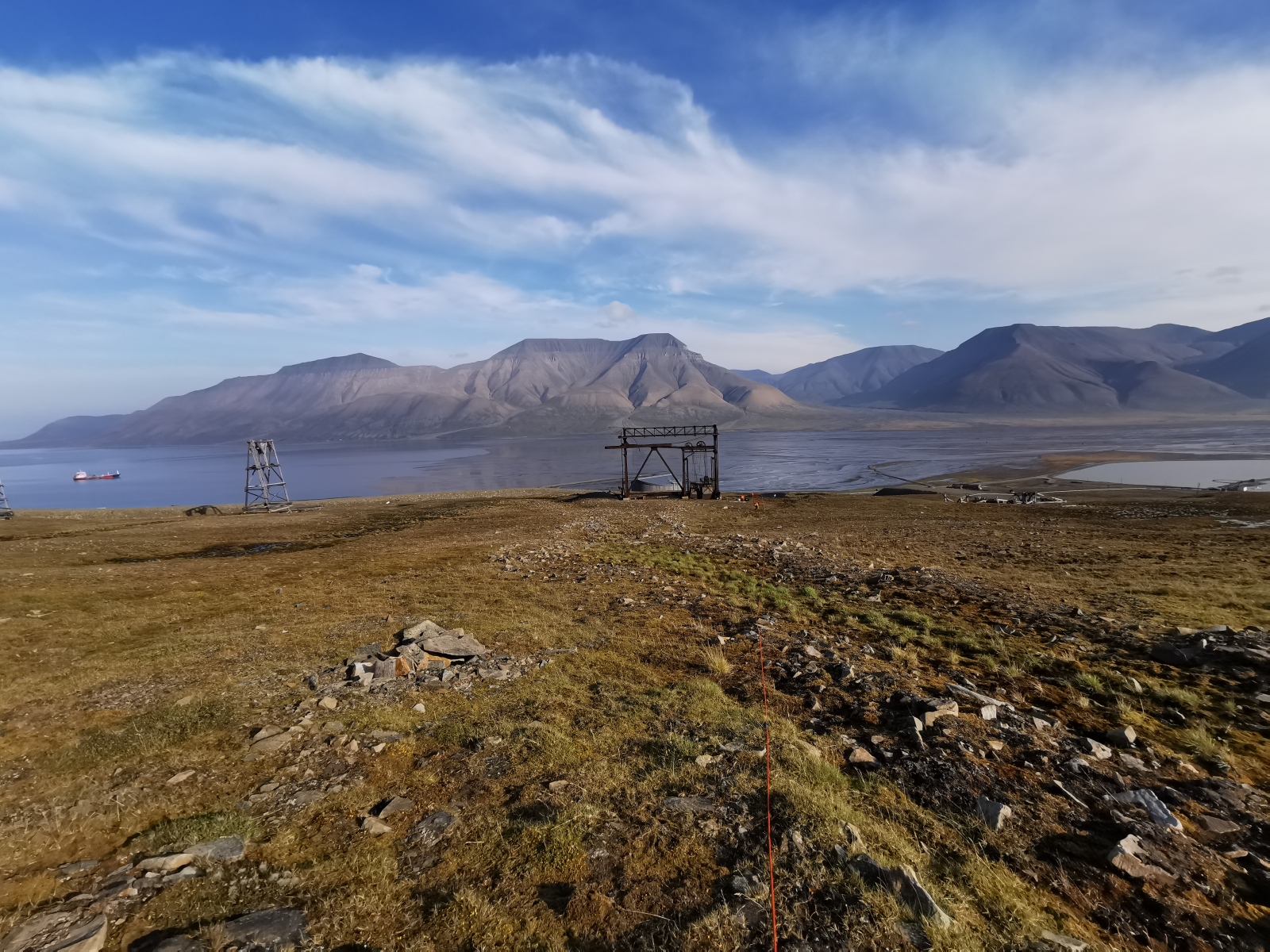
“During the visit funded by the HarSval project, a collaborative partnership was established with a geophysical research team from UNIS (University Centre in Svalbard). A geophysical survey campaign was jointly conducted to assess soil contamination in the vicinity of coal waste deposits, as part of an interdisciplinary investigation. The research allowed the identification of waste deposit locations and provided an evaluation of soil quality. The geophysical data were integrated with chemical analyses of soil and water samples, enabling a comprehensive environmental assessment. Furthermore, the depth of the permafrost layer was accurately measured.
This research, undertaken as part of a scientific internship, contributes to the advancement of sustainable development initiatives in Svalbard, particularly in the context of coal waste management. The established professional relationships during this project will be the foundation for continued Polish-Norwegian scientific collaboration and joint publications.”