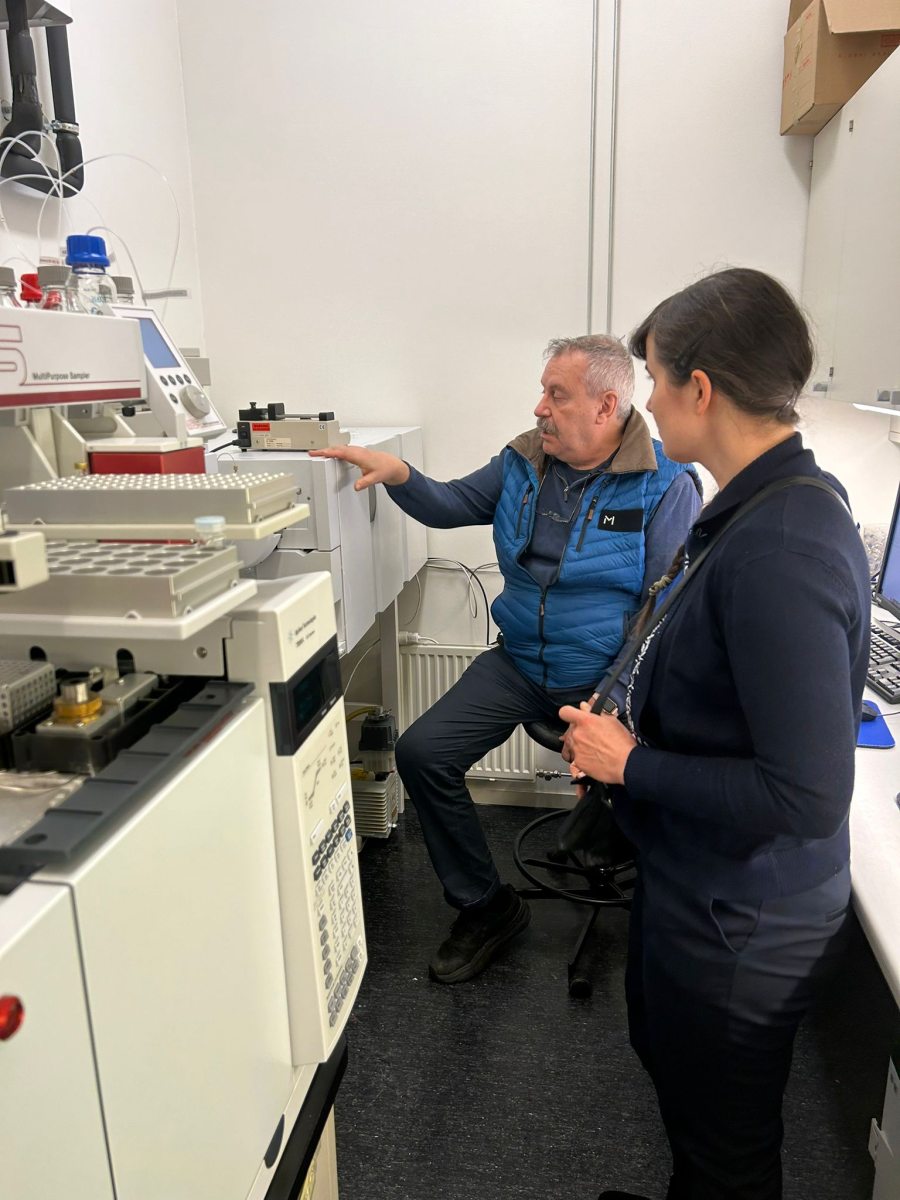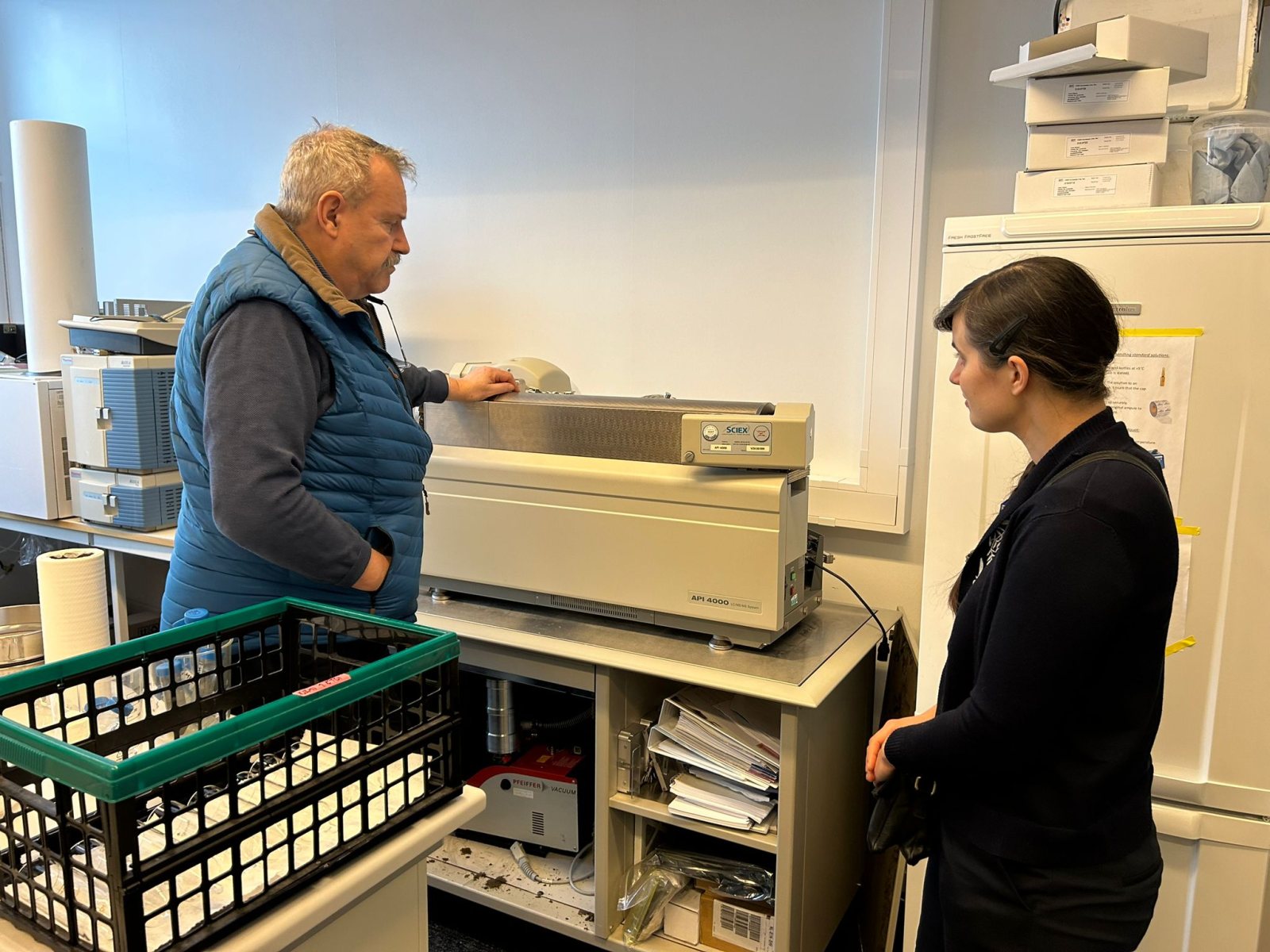

The Harsval project includes also strengthening the mobility of scientists between Polish and Norwegian entities. The outcome will be the integration of the Polish and Norwegian scientific communities, increased cohesion through increased competence and skills, and the creation of new international scientific initiatives based on Polish-Norwegian consortia to solve complex research challenges.
More information about the mobility programme you can found in WP2.
We received a report about the internship to Norwegian University of Life Sciences (NMBU) from Dr. Krystyna Kozioł (Kazimierz Wielki University in Bydgoszcz).
We invite you to enjoy:
“The mobility of Krystyna Kozioł at the Norwegian University of Life Sciences (NMBU) was hosted by prof. Roland Kallenborn and his research group. The aim of the trip was to strengthen the Polish-Norwegian collaboration. During the research stay, Krystyna participated in investigations of the local pollution sources impact on the concentrations of toxic compound in the environment of Svalbard. An example of such compounds are polycyclic aromatic hydrocarbons (PAHs) and their derivative chemicals, which are formed when fossil fuels burn. During the stay, the impact of the local power station in Longyearbyen (Svalbard) on air quality was assessed. Moreover, a meeting was held between the experts from AMAP (the Arctic Monitoring and Assessment Programme), aiming to prepare reports on organic contaminant environmental impact changes in the Arctic in the long term.“